You’ve spent years building a garden you’re proud of — raised beds full of heritage tomatoes, a mature hedge that takes real effort to keep tidy, maybe a chainsaw that comes out for the big winter jobs. But your hands tell a different story. Scratches from rose thorns, blisters from prolonged pruning sessions, numb fingers on a cold October morning — the kind of wear that accumulates when you reach for whatever gloves are nearest, rather than ones actually suited to what you’re doing. You’ve tried supermarket garden gloves that split at the seams by June. You’ve ordered pairs online that looked robust in the product photo but arrived thin and undersized. And you’ve probably done at least one stubborn job bare-handed because the gloves you had were simply in the way.
This guide cuts through that frustration. Whether you’re handling thorny brambles, tackling overgrown hedges with power tools, managing birds of prey, or harvesting fruit from an allotment plot, the right hand protection and garden accessories genuinely change the experience. The picks below cover a realistic spread of UK gardening scenarios — from budget everyday gloves to professional-grade chainsaw PPE — all sourced from Amazon UK’s live catalogue.
How We Chose These Picks
Evaluating gardening gloves and protective accessories isn’t as straightforward as checking star ratings. A glove with 600 reviews might still be the wrong choice for someone running a chainsaw; a specialist falconry glove with fewer reviews might be exactly right for a specific task. For this guide, we applied the following criteria: verified buyer review volume and sentiment patterns, material and construction type (leather, synthetic, reinforced palm, cut-resistant layers), task suitability (light weeding versus heavy chainsaw work versus bird handling), fit and sizing accuracy as reported by real buyers, and durability signals over multiple seasons. We also filtered out products where review counts were too low to draw meaningful conclusions — the picks you’ll find here are backed by enough real-world feedback to give you confidence before clicking through.
Best All-Round Chainsaw Gloves for Regular Use
If you use a chainsaw more than a handful of times a year, the Oregon 4 Way Stretch Chainsaw Protective Gloves should be your baseline. With over 600 verified reviews on Amazon UK and a 4.5-star rating, this is the most thoroughly tested chainsaw glove in our product set — and the feedback is consistent: buyers return to them season after season.
What sets this model apart from a standard leather work glove is the four-way stretch construction. Chainsaw work demands grip and control, but it also requires your hand to flex naturally as you manoeuvre the saw. A rigid glove causes fatigue quickly; these move with your hand without compromising the cut-resistant protection layered into the back of the glove. The leather palm adds grip on wet or oily bar stock, which is the situation where most chainsaw accidents actually happen.
The PPE credentials here are serious. Oregon is a brand specifically focused on chainsaw equipment — this isn’t a generic workwear company applying a chainsaw label. The gloves are designed to meet professional protective standards, with the back-of-hand protection that regulations require for saw operators. High-visibility colouring on the dual-hand version (see below) makes them easier to spot if dropped in undergrowth.
One tradeoff worth being honest about: four-way stretch means some buyers find the fit runs slightly large. If you’re between sizes, ordering the smaller size is typically the right call. The black colourway (this listing) suits those who prefer a less conspicuous look; if you’re working commercially or want to stay visible to others on site, the yellow high-vis version may be worth considering instead. At a mid-range price point, these represent genuine value for how frequently they’ll be used across a full gardening season.
They’re not ideal for fine work — threading ties through plant supports or handling seedlings is awkward in these. But for chainsaw sessions, log splitting, or any task where a blade or sharp edge is involved, this is the pick with the track record to back it up.
Best High-Visibility Chainsaw Gloves for Professional or Site Work
The Oregon Dual-Hand Protection Chainsaw Gloves in High-Visibility Yellow share the same Oregon chainsaw heritage as our all-round pick, but they’re built for a different context: anyone working where visibility matters, or where PPE compliance is more formally monitored.
The high-visibility yellow colouring is the obvious starting point. If you’re working on a larger plot alongside other people — or operating in low-light conditions during autumn and winter months — being clearly visible reduces risk in ways that are easy to underestimate until something goes wrong. Professional tree surgeons and estate gardeners often work under stricter site rules, and the high-vis specification here helps with compliance alongside the underlying cut-protection design.
Construction-wise, these share the leather palm and dual-hand protection arrangement with the stretch variant. The leather is hardwearing and provides the grip surface you need when handling a running saw. The reinforced back protects the vulnerable dorsal side of the hand, which is the area most at risk during kickback or contact with a moving chain.
Where this model differs slightly from the stretch version is in overall hand mobility — the construction is slightly more structured, which some users find more confidence-inspiring during extended chainsaw sessions, while others find the stretch version better for longer wear. Both are professional-grade; the choice comes down to your specific working context. It’s worth noting that this listing currently shows no Amazon review count, so we’re drawing on the brand’s established reputation and the detailed product specification rather than aggregate buyer sentiment. If confirmed user feedback is a priority for you, the 605-reviewed stretch variant above may give you more confidence.
For anyone who needs high-vis PPE as a workplace requirement, or who simply wants the reassurance of bright colouring during solo chainsaw work on a large rural property, this is the logical choice. The Oregon name carries weight in the chainsaw world, and these gloves reflect that specialist focus.
Best General-Purpose Leather Garden Gloves
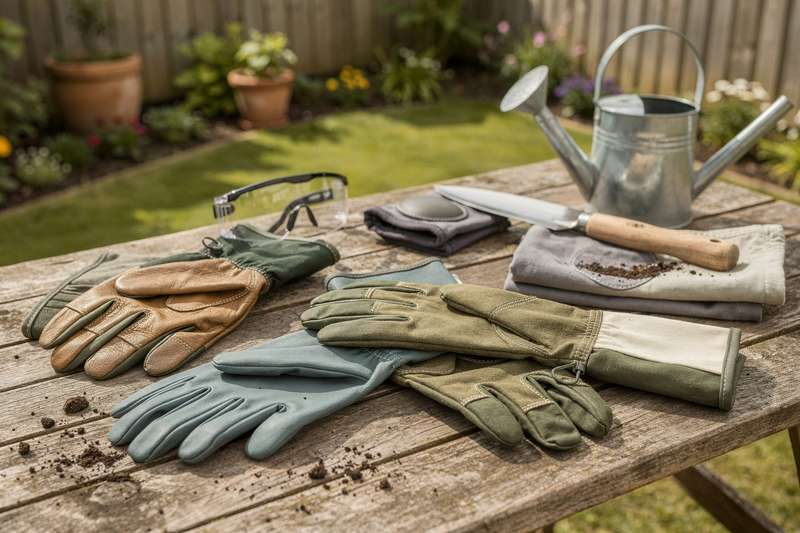
For everyday gardening tasks — pruning roses, turning compost, moving pots, light digging — the Town & Country TGL105S Premium Leather Gloves are the most versatile choice in this guide. With 181 reviews at 4.1 stars, they’ve been road-tested by a solid cross-section of UK gardeners, and the picture that emerges is one of a reliable, unpretentious glove that holds up to regular use across a full season.
Leather palm gloves occupy a useful middle ground in the gardening world. They’re tougher than the thin cotton-and-nitrile styles often sold at hardware shops, but not so stiff that you lose dexterity when tying in climbers or handling smaller plants. The Town & Country version balances these properties well — the leather is supple enough to allow for reasonable hand movement while giving you confidence when grabbing thorny stems or sharp-edged metal tools.
Fit is where some buyers run into difficulty. The ‘small’ sizing here is genuinely small, and reviewers with average or larger hands should size up without hesitation. The flip side is that gardeners with smaller hands — often underserved by work gloves that default to large male sizing — find these a much better fit than most alternatives. If you’ve struggled to find gloves that don’t flap at the fingertips, this is worth checking.
Longevity is solid but not unlimited. These are mid-range garden gloves, not artisan leather work gloves — expect a full season of regular use before the palm starts to wear through, longer if you rotate between pairs. They’re not waterproof, so prolonged work in wet soil will dampen the leather and reduce grip somewhat. For that kind of work, a lined or synthetic glove might serve better. But for the majority of tasks that fill a typical weekend gardening session, the Town & Country TGL105S is a practical, well-rounded choice that’s easy to recommend.
Best Leather Gloves for Falconry and Bird Handling
Falconry gloves occupy a genuinely specialist niche, and the Quality Double Layer Soft Genuine Cow Hide Leather Falconry Gloves are the standout choice for anyone working with birds of prey. Rated 4.9 stars from 20 reviews, the feedback is uniformly positive — and while 20 reviews is a modest sample, the consistency of the sentiment and the clear task-specificity of this product give it credibility in its category.
The double-layer construction is what distinguishes a falconry glove from a standard work glove. A hawk or falcon’s talons exert significant pressure — far more than most people expect — and a single-layer leather glove, however thick, won’t provide sufficient protection during extended handling or when a bird bates unexpectedly. The double layer of cow hide here provides the depth needed to protect the hand and wrist without the glove becoming unwearably stiff.
Buyers note that the leather is genuinely soft for a double-layer product, which matters practically. A glove that’s too rigid affects your handling technique, making it harder to maintain the neutral wrist position that good falconers develop. The suppleness here means you can feel the bird’s movements through the glove — important for reading a bird’s body language and adjusting your grip accordingly.
This glove extends further up the wrist and lower forearm than standard garden gloves, which is the correct design for falconry — birds often bate or flap in a way that brings talons into contact with the lower arm. If you keep other large pet birds such as parrots or macaws, you’ll find the same protection useful for routine handling. It’s not a gardening glove in the conventional sense, but for the growing number of UK falconers and bird enthusiasts who shop in the garden and outdoor category, this is the right tool for the job.
Best Single-Layer Falconry Glove for Smaller Birds
Working with smaller birds of prey — kestrels, merlins, or smaller Harris hawks early in their training — doesn’t always require the full bulk of a double-layer glove. The Quality Single Layer Genuine Leather Falconry Short Gloves fill that gap, offering the same genuine leather construction in a lighter, more manageable profile.
Rated 4.3 stars across 12 reviews, this sits just below the double-layer version in overall sentiment, but the tradeoffs are clear and reasonable. The single-layer construction means less bulk and better hand sensitivity — you can feel the jesses and swivel more easily, and general handling feels more natural. For experienced falconers who’ve developed good technique and work with smaller or gentler birds, this lighter glove is often preferable to a heavier double-layer alternative.
The short cuff length is worth noting. Unlike the double-layer version, which extends further up the forearm, the short design offers wrist coverage but less arm protection. If you’re working with larger, more powerful birds or those still in early training — when bating is more frequent and less predictable — the double-layer version above is the safer choice. But for experienced handlers working with well-trained smaller birds, the additional dexterity of this glove is a genuine practical benefit.
Construction quality follows the same genuine leather standard as its sibling product. Buyers report good durability over multiple seasons with proper care — leather conditioning extends the life of any genuine hide glove significantly. At a similar price point to the double-layer option, the choice between them really does come down to the size and behaviour of the bird you’re handling, and your own experience level as a handler.
What to Look For When Buying Gardening Gloves and Protective Accessories
- Match the glove to the task: A glove designed for light weeding will fail during chainsaw work, and a heavy-duty PPE glove will frustrate you when planting seedlings. Before buying, identify the primary task you’ll use the glove for — then look for a product engineered around that specific use case.
- Material matters more than it looks: Leather offers durability and protection but can stiffen when wet and requires occasional conditioning. Synthetic materials dry faster and often provide better grip in wet conditions. Lined gloves add warmth for winter work but reduce dexterity. No single material wins across all conditions — seasonal gardeners often benefit from having two pairs.
- Sizing is frequently off-label: Gardening glove sizing is notoriously inconsistent between brands. Always check buyer reviews specifically for comments on fit — whether a model runs small, large, or true to size. Many gloves are designed around male hand proportions, so buyers with smaller hands should look for products explicitly sized for smaller hands or read sizing notes carefully.
- PPE ratings for power tool work: If you’re using a chainsaw, hedge trimmer, or any motorised cutting tool, don’t rely on general work gloves. Look for gloves that explicitly state cut-resistance or chainsaw-protection ratings. Oregon-branded chainsaw gloves meet professional standards; for other power tools, check whether the product description references relevant protective equipment classifications.
- Cuff length and wrist coverage: For bramble clearing, falconry, or any task where forearm contact is likely, a short-cuff glove leaves you exposed. Gauntlet-style or extended cuff designs add meaningful protection. For light weeding or general tasks, a standard cuff is fine and usually more comfortable.
- Review volume and context: A glove with hundreds of reviews gives you meaningful data about real-world durability and fit. For very specialist products (falconry gloves, for instance), lower review counts are normal — the product serves a smaller audience. Read the reviews that exist carefully rather than filtering purely by volume.
- Consider your climate and season: UK winters are damp and cold; UK summers can be warm enough to make thick gloves uncomfortable. If you garden year-round, a summer pair (lighter, breathable) and a winter pair (warmer, more robust) is a practical approach rather than a single all-season compromise.
Verdict
For the majority of UK gardeners — those who spend their weekends managing a mixed domestic garden with occasional heavier jobs — the Oregon 4 Way Stretch Chainsaw Protective Gloves are the single most useful purchase in this guide. The combination of professional-grade cut protection and genuine hand mobility means they handle the tasks that carry real risk without becoming an obstacle for the lighter work in between. Over 600 buyers have validated this, and the consistent feedback supports buying with confidence.
If chainsaw work isn’t part of your gardening routine, the Town & Country TGL105S Premium Leather Gloves are the practical everyday choice — durable leather, reasonable dexterity, and enough reviews to trust the sizing notes. Falconers and bird handlers should go straight to the double-layer cow hide option; it’s the most task-specific product in the set and the buyer sentiment reflects genuine satisfaction from the people it’s designed for.
Whatever your setup, the single biggest improvement you can make is simply matching your glove to your task rather than reaching for whatever’s nearest. The right pair doesn’t just protect your hands — it makes the work easier.
We were not paid to feature any specific product in this guide. All opinions are independent and based on publicly available specifications, verified buyer feedback patterns, and category research.
Quick Comparison Table


FAQ
What are the most important features to look for in gardening gloves?
Task suitability is the most important factor — a glove designed for light weeding is fundamentally different from one built for chainsaw work. Beyond that, prioritise material quality (leather for durability, synthetic for wet conditions), fit accuracy (check review comments on sizing), and cuff length for the level of arm coverage you need. Buying a glove that’s genuinely appropriate for your main gardening tasks will serve you far better than a generic all-purpose pair.
Do I need specialist chainsaw gloves, or will regular work gloves do?
Regular work gloves are not adequate for chainsaw use. Chainsaw gloves incorporate cut-resistant materials specifically designed to resist contact with a moving chain — standard leather or synthetic gloves offer no meaningful protection in that scenario. If you operate a chainsaw, invest in gloves that explicitly state chainsaw PPE compliance. Oregon is a recognised name in this area and their gloves meet professional safety standards.
How should I care for leather gardening gloves to extend their lifespan?
Avoid soaking leather gloves and don’t dry them near direct heat, which causes cracking. After particularly damp sessions, allow them to dry naturally at room temperature. Periodic conditioning with a leather balm or beeswax product keeps the leather supple and prevents premature cracking at the finger joints. Store them flat or hanging rather than stuffed into a pocket, which causes uneven creasing over time.
Are falconry gloves suitable for general gardening?
Falconry gloves are over-engineered for most gardening tasks — the thick double-layer leather that protects against talons is too stiff for fine work like planting or tying in climbers. They’re purpose-built for bird handling and do that job well. For general gardening, a standard leather garden glove gives you better dexterity at a lower price. That said, the robust construction of falconry gloves makes them useful for heavy-duty tasks like clearing thorny scrub or handling sharp-edged materials.
How do I choose the right glove size when buying online?
Measure your dominant hand’s circumference at the widest point (across the knuckles, excluding the thumb) using a tape measure. Then compare that measurement to the brand’s specific size chart — don’t rely on generic S/M/L assumptions, as sizing varies significantly between manufacturers. Crucially, read recent buyer reviews for comments on whether the model runs true to size, small, or large, as this is often more accurate than the official chart for practical fit.
Can I use gardening gloves for motorcycle or construction work?
Some crossover exists — leather palm gloves with cut resistance are useful across several manual trades. However, purpose-built PPE for construction or motorcycling will typically meet specific safety standards (impact protection, abrasion resistance) that general gardening gloves don’t. If you need gloves for regulated work environments, check that the specific model you’re buying carries the relevant certification for that context rather than assuming gardening-rated gloves will qualify.