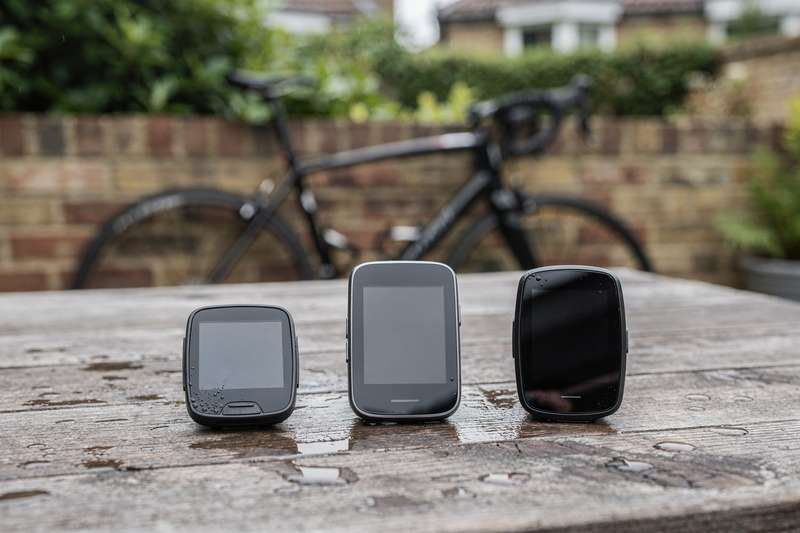
Picture this: you’ve just rolled back to the car park after what felt like a solid 50-mile road ride, but your phone’s cycling app crashed somewhere around mile 32 when the battery gave out, and the clip-on computer you taped to your stem is showing 18 miles because the wheel magnet shifted on a pothole. You’re not after a navigation system that rivals avionics — you just want a cycling odometer that stays put, reads accurately in drizzle, and doesn’t need specialist tools to fit. The trouble is that searching “best odometer” returns everything from a basic wired speedometer to compact GPS units with auto-backlight and Bluetooth sync. Without knowing which features actually matter versus which are marketing padding, it’s easy to spend more than needed — or to buy something that’s back in the box within a fortnight. This guide covers wired computers, wireless sensor odometers, and GPS units across different budget tiers, so you can find the right match for how you actually ride.
The Selection Criteria
Every product featured here was assessed against five practical criteria. Accuracy came first — a cycling odometer that drifts from reality after a few rides is useless, so calibration stability was non-negotiable. Installation ease was second: specifically whether the mounting bracket, sensor, and any wiring can be fitted on a typical 31.8mm handlebar without specialist tools. Display legibility in the overcast, low-contrast conditions common across most of the UK was third — a screen you can’t glance at while moving defeats the point. Waterproofing was fourth: an IP54 rating is the practical minimum for British riding; IPX6 and IPX7 units offer greater protection on wet days. Finally, battery practicality — whether coin cell, USB-rechargeable, or a hybrid approach — and realistic runtime. Where substantial buyer review data existed, patterns from real-world feedback were factored in to check whether advertised specs hold up in daily use. Products with no published reviews are clearly flagged so you know what’s verified by buyers and what relies on specification sheets alone.
Best Overall
The GPS Bicycle Computer, 2.4" Display, IPX7, Wireless, 50g tops this list not because it’s the flashiest option here, but because it gets the fundamentals right and is backed by over 860 verified buyers giving it a 4.4-star rating — the strongest evidence base in this entire guide. That real-world track record matters more than spec-sheet claims when you’re picking something that needs to perform through all weathers and on all surfaces.
The 2.4-inch display is meaningfully larger than the single-inch screens you find on basic wired computers, and it stays readable in both direct sunlight and the flat grey overcast of a British winter ride. GPS tracking means no wheel sensor or magnet is required — the unit calculates speed and distance directly from satellite data, eliminating the calibration drift that plagues sensor-based systems when magnets shift position. At 50 grams, there’s no noticeable weight penalty on the bar.
The IPX7 waterproofing is a standout at this level. IPX7 signifies submersion resistance to one metre, which is considerably beyond what’s needed for a rain shower or puddle spray. If you do wet morning commutes, autumn sportives in the Peak District, or year-round riding in Scotland, that extra margin of protection is reassuring. The wireless, cable-free setup also means no wiring loom to snag on brake cables or rattle loose on rough terrain.
Where does it fall short? GPS units need 30–60 seconds to acquire a satellite fix in open conditions, longer under dense tree cover or in urban canyons. If you like to click go and immediately see accurate stats, that brief wait can be irritating. GPS also consumes more power than a simple sensor computer, so you’ll need to charge via USB rather than swapping a coin cell every few months. For most riders, those trade-offs are minor. This is the one to buy if you want a dependable, all-weather GPS odometer without overcomplicating your setup.
Best Wired Budget Pick
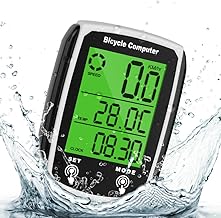
If your priority is simplicity, low cost, and zero dependency on rechargeable batteries, the Bike Computer Universal 19 Functions IP54 Waterproof Bicycle Speedometer Odometer Wired Cycling Computer Touch Screen with LCD Backlight is a solid choice. It has 219 verified buyer reviews at 4.2 stars — one of the stronger evidence bases among the budget options in this guide.
Being wired means a sensor cable runs from the fork-mounted sensor to the head unit. It sounds fiddly, but wired systems have a clear practical advantage: no wireless interference, and a signal that stays completely reliable once the wire is routed neatly with a few cable ties. The touch-screen interface lets you scroll through 19 functions — current speed, average speed, maximum speed, trip distance, total odometer reading, ride time, and more — without fumbling for buttons on the move. The LCD backlight makes the display readable in early-morning and evening conditions, which matters during autumn and winter commuting when daylight in the UK is scarce.
The IP54 waterproof rating covers splash from any direction, adequate for typical wet-road cycling. Just avoid pressure-washing directly at the head unit when cleaning the bike. Battery life is excellent by modern standards — because the unit runs on a coin cell rather than a rechargeable pack, you get months of use from a single battery, and replacing it takes seconds. There’s no risk of turning up to a long ride having forgotten to charge the night before.
The trade-off compared to GPS units is straightforward: you need to manually set the wheel circumference for accurate readings. Most bikes use a 700c or 26/27.5/29-inch tyre, and the included instructions give you standard circumference figures to enter. If you change tyre size, you update the setting. For commuters with a single wheelset, this is a non-issue. For riders who swap between road and winter tyres regularly, it adds a minor but real inconvenience. The wiring also needs a few minutes of cable-tie tidying at installation. At this price, it’s an honest, accurate odometer that does exactly what it says.
Best Wireless on a Budget
The PRUNUS Bike Speedometer and Odometer Wireless Waterproof Bicycle Computer offers wireless sensor convenience at a budget price, backed by 474 buyer reviews. Its 3.8-star average — solid rather than exceptional — tells you something specific about real-world performance, and it’s worth understanding where that deduction comes from before buying.
Wireless sensor odometers work by pairing a spoke-mounted magnet with a fork-mounted sensor. Every time the magnet passes the sensor, the computer logs a wheel revolution and calculates distance from your tyre circumference setting. The advantage over wired setups is a much cleaner installation: no cable to route through the fork or zip-tie along the frame. The PRUNUS handles this competently, the mounting bracket works on standard handlebars without issues, and waterproofing is adequate for UK rain riding.
Why 3.8 stars rather than 4.4? The recurring pattern in buyer feedback points to two issues. First, the magnet can shift position on the spoke if not secured carefully, causing speed readings to drop out intermittently. Second, some buyers report calibration drift if the sensor alignment changes over time. Both are common with wireless sensor odometers in general — not unique to the PRUNUS. The practical fix: apply a small amount of thread-lock compound to the magnet on the spoke, and check the sensor gap weekly for the first month until you’re confident it’s stable.
For casual or occasional cyclists who want a clean, cable-free setup without spending much, the PRUNUS covers the core metrics well — speed, trip distance, total odometer, ride time, average speed, and maximum speed. If you ride daily or use the data for training analysis, occasional signal dropouts may frustrate you enough that the GPS options elsewhere in this guide are worth the additional cost.
Best Mid-Range GPS
The COOSPO Bike Computer Wireless GPS BC26 brings together GPS accuracy, a 2.3-inch auto-backlight display, Bluetooth connectivity, and IPX7 waterproofing in a well-specified mid-range package. A transparency note first: at the time of writing, this unit had no buyer reviews on Amazon UK, so this assessment is based on its published specifications and COOSPO’s broader reputation as a cycling accessories brand rather than a large body of verified customer experience.
The BC26’s GPS functionality is its most significant practical advantage over sensor-based units. Like the best overall pick, it calculates speed and distance from satellite data, removing the wheel circumference calibration step entirely. The 2.3-inch display with auto-backlight is a useful feature: the screen brightens in low light without manual toggling, which matters when you ride through a shaded valley, a tunnel, or under an autumn tree canopy. Bluetooth connectivity means you can pair the unit with your phone and upload ride data to compatible apps — useful if you track training progress over time or want to plan and share routes.
IPX7 waterproofing at this tier is a strong specification, matching the best overall pick and well above the IP54 of the budget options. Bluetooth also opens the door to pairing additional sensors such as a heart rate monitor or cadence sensor if you want richer training data without mounting a phone on the bar. For a cyclist who wants more than basic speed and distance but isn’t ready to spend on a premium cycling computer, the BC26 sits in a sensible gap.
The absence of buyer reviews is the honest caveat. If verified social proof matters to you before committing, the GPS Bicycle Computer 2.4" above has a far stronger evidence base. But if you want GPS accuracy and Bluetooth at a modest outlay and are comfortable with fewer peer reviews to draw from, the COOSPO BC26 is worth considering — just check the returns policy before purchasing.
Best Compact GPS
The CYCPLUS G1 GPS Bicycle Computer is the pick for riders who want GPS in the smallest possible package, with the added benefit of a 1,200 mAh internal battery — a notably generous capacity for a compact cycling computer. Transparency note: this unit has no Amazon UK buyer reviews at the time of writing, so this section draws on its published specifications rather than a large pool of customer experience.
The 2.0-inch display is slightly smaller than the best overall pick’s 2.4 inches, which will be noticeable if your eyesight isn’t sharp or if you glance at the screen frequently at speed. On the other hand, the smaller footprint suits riders who prefer an unobtrusive cockpit — particularly on road bikes or gravel bikes where handlebar space and aesthetics matter. The IPX6 waterproofing is one notch below the IPX7 of some rivals, but still provides solid protection against rain, spray, and the water exposure you’ll realistically encounter across UK roads and trails.
The 1,200 mAh battery is the G1’s real differentiator among compact units. Many GPS cycling computers offer 10–15 hours of GPS-on runtime; a 1,200 mAh cell in a compact form factor should comfortably cover multi-hour rides without anxiety about the screen going blank mid-descent. For sportive riders, audax participants, or anyone regularly spending four or five hours in the saddle, that battery buffer is a practical advantage worth having.
Installation is wireless and cable-free — because it’s GPS-based, there’s no wheel magnet or sensor to align, keeping setup quick and straightforward. The trade-off relative to the top-rated pick is the absence of verified buyer feedback: you’re relying on the specification sheet rather than real-world experience from a large user base. For riders comfortable with that uncertainty and who want compact form with strong battery life, the G1 is a considered option worth investigating.
Best for Simple Wireless Tracking
The URAQT Bike Computer, Universal Bicycle Speedometer Odometer, 19 Functions IP65 Waterproof, Cycling Computer with LED Backlight Display Touch is aimed at riders who want a capable wireless feature set with a higher waterproof standard than many cheap rivals manage. This unit has no Amazon UK buyer reviews at the time of writing, so this section is specification-based — worth factoring into your decision.
The IP65 rating is the headline here. IP65 means complete dust protection and resistance to water jets from any direction — a meaningful step above the IP54 of the wired budget pick and more reassuring for extended riding in heavy rain or on muddy trails. For a budget wireless odometer, that waterproofing standard gives it a durability edge over many similarly priced alternatives. The LED backlight keeps the display readable in poor light, and the touch interface makes scrolling through functions manageable — though thick winter gloves can reduce touch responsiveness, a limitation common to this screen type across all brands at this price.
The 19-function set covers the essentials: current speed, maximum speed, average speed, trip distance, total odometer, ride time, and a clock. Universal wheel size compatibility means it works with road, mountain, and hybrid bikes, with calibration requiring only a one-time entry of your tyre circumference. The wireless sensor removes cable routing entirely, giving a cleaner handlebar setup than the wired equivalent. A colour variant of this model is available under a separate ASIN if the standard listing shows as out of stock, though the specification set is identical.
The main caveat is the absence of buyer reviews. If a large, verified evidence base matters to you before committing, the wired 19-function pick and the PRUNUS wireless model are safer bets with proven track records. But if IP65 protection in a wireless, budget unit fits your situation and the lack of review history doesn’t concern you, the URAQT is a reasonable choice for casual or occasional cycling where simplicity and weather resistance are the priorities.
Best Entry-Level GPS
The Bike Computer 19 Functions Universal IP54 Waterproof GPS is the most intriguing budget entry in this guide: a unit claiming GPS functionality alongside a standard 19-function feature set at a very accessible price. With 9 buyer reviews at 4.4 stars, the sample is too small to draw firm conclusions — the early signal is positive, but nine reviews is a snapshot, not a track record.
If the GPS claims hold up at this price point, it represents a compelling option for cyclists who want satellite-based distance tracking without the investment of a mid-range unit. GPS tracking removes the wheel-sensor calibration process entirely: no magnet to align, no circumference to enter — just fit the mount and ride. Given how often magnet alignment causes frustration with budget sensor computers, that convenience is a meaningful practical benefit if it performs as advertised.
The IP54 waterproofing handles splash from any direction, adequate for most UK riding conditions. The 19-function set covers the metrics most cyclists regularly use — speed, distance, time, and averages — without overwhelming you with data fields you’ll rarely scroll to. The universal handlebar fit and touch-screen interface keep setup quick and fuss-free, and the compact design won’t clutter a road bike’s cockpit.
The main limitation is the thin review base. Nine reviews — however positive — don’t establish long-term reliability patterns, and it’s impossible to know from this sample alone whether GPS performance holds up across different environments and seasons. If you buy this one, make sure you’re comfortable with Amazon’s returns process should issues arise after a few weeks of use. For riders willing to accept some uncertainty about durability in exchange for GPS convenience at the lowest possible outlay, it’s a reasonable gamble. For anyone who needs proven reliability from day one, the GPS Bicycle Computer 2.4" remains the benchmark to return to.
What to Look For When Buying a Bike Odometer
- GPS vs. wheel sensor: GPS units calculate distance from satellite signals and need no calibration whatsoever. Wheel-sensor odometers — wired or wireless — require you to input your tyre circumference once and recalibrate if you change tyre size. GPS is more convenient and immune to calibration drift; sensor-based units work reliably in tunnels and dense urban areas where satellite coverage can be patchy.
- Waterproofing rating: Look for at least IP54 for British conditions — this covers water splash from any direction and handles road spray and rain. IPX6 adds resistance to directed water jets; IPX7 means the unit can handle brief submersion to one metre. The higher the rating, the more confidently you can ride through heavy rain without concern for the unit’s longevity.
- Display size and backlight: Screens smaller than 1.5 inches can be hard to read while riding at speed. A 2.0-inch or larger display is noticeably easier to glance at. Auto-backlight — where the screen adjusts brightness in low light automatically — is more practical than manual toggling during the short days and variable light of a British autumn or winter.
- Battery type: Coin-cell batteries last months and swap in seconds, but can’t be recharged. USB-rechargeable packs are more convenient long-term but require remembering to charge before longer rides. For daily commuters, rechargeable usually wins; for occasional cyclists, coin cell keeps things simpler and avoids the risk of a flat battery at the start of a big ride.
- Wired vs. wireless installation: Wired computers require routing a sensor cable along the fork and handlebar — a bit more work to fit, but completely immune to wireless interference and signal dropout. Wireless setups install faster and look cleaner, but a poorly aligned spoke magnet can cause intermittent signal loss. Both types work reliably when set up carefully and checked periodically.
- Mounting compatibility: Most units fit 22.2mm and 31.8mm handlebars via an included bracket. Check that the bracket suits your bar diameter and that you have a sensible mounting position — road bikes with compact drop bars may need a different placement to flat-bar commuters or mountain bikes.
- Functions vs. readability: A 19-function computer sounds comprehensive, but most cyclists regularly use only four to six metrics: current speed, trip distance, average speed, ride time, and total odometer. A clean, glanceable display of those five figures is more useful than a cluttered screen of twenty metrics you’ll rarely scroll to mid-ride.
Verdict
For most UK cyclists — commuters, weekend road riders, and occasional sportive participants alike — the GPS Bicycle Computer, 2.4" Display, IPX7, Wireless is the straightforward answer. It has the strongest real-world evidence base in this guide (over 860 reviews at 4.4 stars), its GPS accuracy removes calibration headaches entirely, the IPX7 waterproofing is genuinely reassuring for British conditions, and the 2.4-inch display is easy to read in the flat light that defines most of the UK’s cycling season.
If you’re on a tight budget and GPS isn’t essential, the wired Bike Computer Universal 19 Functions IP54 is the best-value alternative — 219 reviews at 4.2 stars, reliable in rain, and coin-cell powered so there’s no charging anxiety before a long ride. The PRUNUS wireless model is worth considering if you want a cable-free setup at a budget price, but take time to secure that wheel magnet carefully from day one. For most riders who want reliable, accurate mileage tracking without fuss, the GPS overall pick is the one to go with.
We were not paid to feature any specific product in this guide. All opinions are independent and based on publicly available specifications, verified buyer feedback patterns, and category research.
Quick Comparison Table




FAQ
What is the difference between a GPS bike computer and a sensor-based odometer?
A GPS bike computer uses satellite signals to calculate your speed and distance, requiring no wheel sensor, magnet, or tyre circumference calibration. A sensor-based odometer uses a spoke-mounted magnet and a fork-mounted sensor — either wired or wireless — and needs you to input your tyre size for accurate readings. GPS is generally more convenient and works across different tyre sizes, while sensor-based units perform reliably in GPS-blind areas such as tunnels and dense urban streets.
How do I calibrate a wheel-sensor bike odometer?
Roll the bike one full wheel revolution on a flat surface, mark where the tyre contacts the ground at the start and end, and measure the distance between marks in millimetres. Enter this figure in the odometer’s setup menu as your wheel circumference. Common figures are around 2,096mm for a 700x25c road tyre and approximately 2,170mm for a 700x32c, but measuring your specific tyre gives the most accurate result. Recalibrate if you change tyre size or switch to a significantly different tyre pressure.
Are cheap bike odometers accurate?
Budget wired computers can be very accurate once correctly calibrated — the signal chain is simple and reliable. Budget wireless sensor odometers are accurate when the magnet and sensor are properly aligned, but intermittent dropouts can occur if the magnet shifts on the spoke. Budget GPS units vary more widely: GPS accuracy depends on chipset quality, and very cheap GPS units can struggle to acquire signal in urban canyons or under heavy tree cover. Checking real buyer feedback for the specific model is the most reliable way to assess real-world accuracy before committing.
What waterproof rating do I need for a bike odometer in the UK?
IP54 is the practical minimum for UK riding — it handles rain and road spray from any direction and covers the majority of British cycling conditions. If you ride regularly in heavy downpours, through deep puddles, or on muddy off-road trails, IPX6 (jet-spray resistant) or IPX7 (submersion-resistant to one metre) gives you greater confidence. For commuters and occasional riders, IP54 is usually sufficient; for year-round, all-weather cyclists, IPX7 is worth prioritising when choosing between otherwise similar options.
Can I use a bike odometer for both commuting and weekend rides?
Yes — most cycling computers store a cumulative total odometer reading alongside individual trip data, so you simply reset the trip counter at the start of each ride. Some units offer multiple bike profiles, helpful if you switch between a commuter bike and a weekend road or mountain bike. GPS units with Bluetooth ride-upload functionality can log each session separately if you sync to a compatible app, making long-term mileage tracking straightforward.
Do I need Bluetooth on a bike odometer?
Only if you want to sync ride data to a smartphone app or pair additional sensors such as a heart rate monitor or cadence sensor. For basic speed and distance tracking, Bluetooth adds no functional benefit. If you follow a structured training plan, log rides to an app, or want to analyse session metrics beyond what the screen displays, Bluetooth becomes a worthwhile feature. For everyday commuting and casual riding, it’s a useful extra rather than an essential one.