You’re renting a flat with a balcony barely wide enough to turn around in. The railing runs along the edge — maybe it’s a square steel tube, maybe it’s a round iron rod — and you’ve been staring at that grey space for months wishing you could grow something there. You’ve looked at pots on the floor, but they block what little standing room you have. You’ve considered wall-mounted planters, but your tenancy agreement is specific: no fixings into the render, no rawlbolts, no anchor bolts, nothing that leaves a mark when you leave. And you’re not the type to drill into a rented building and hope the landlord doesn’t notice.
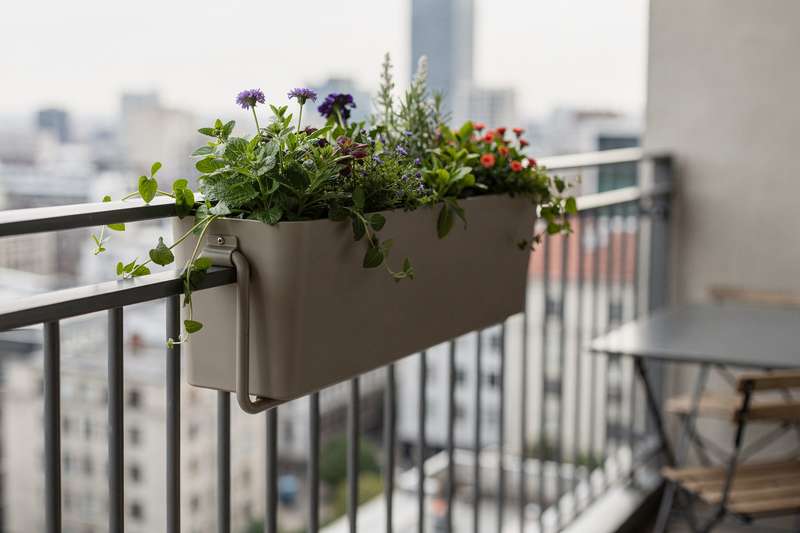
What you actually need is a planter that hooks onto the railing itself — no drilling, no permanent damage, completely reversible — but one that won’t topple over in a gust, look like a cheap afterthought, or fall apart after one wet British summer. That’s a more specific problem than most generic gardening guides acknowledge, and it’s exactly what this guide addresses. Whether your railing is 3cm wide or 7cm wide, whether you want a sleek anthracite finish or something with a bit of farmhouse character, there are genuinely solid options on Amazon UK that will let you transform a narrow balcony into a proper green space without touching a drill.
How We Chose These Picks
Every product in this guide was evaluated against a set of criteria specific to the narrow-balcony, no-drill scenario. Railing compatibility came first: the hook or mounting system had to work without screwing into the railing or the wall. Stability was the next filter — a planter that shifts or tips in wind is genuinely dangerous on an upper-floor balcony, so we looked at hook width, weight distribution, and whether hooks are fixed or detachable. Drainage matters too, since waterlogged soil will kill most plants and rot lightweight planters from the inside; we noted which designs include drainage holes and which add a self-watering reservoir as a smarter alternative.
We also paid attention to weatherproofing: UV-resistant plastics, powder-coated steel, and rustproof finishes are worth specifying when a product will live outdoors year-round in a UK climate. Finally, real buyer feedback patterns on Amazon informed the shortlist — review volume, rating consistency, and the nature of complaints (a single low rating for a damaged delivery is very different from a recurring complaint about hooks that don’t grip round railings). From the live Amazon UK product data, we identified six distinct products across different categories — complete planters and standalone bracket systems — and each gets its own deep-dive below.
Best All-Round Railing Planter for Most Balconies
The OGIMA 41cm Railing Planter Box, 3 Pack Large Hanging Planters for Outdoor Plants with Detachable Wide Hooks for 7cm Railings is the pick that covers the most common balcony scenarios in one purchase. You get three planters in the pack, each 41cm long, which means you can line up a proper display along a short railing run rather than dropping a single pot in an otherwise bare space. The detachable wide hooks are the key feature here: they’re designed specifically for railings up to 7cm in width, which matches the square-section steel railings you’ll find on most modern UK apartment balconies.
What makes this work in practice is the hook design. Rather than a thin wire loop that rattles and shifts, the hooks here are wide and flat, sitting across the top of the railing with enough contact area to resist tipping under the weight of wet soil. The detachable aspect is useful too — you can remove the hooks to place the box somewhere else, or adjust which way it faces, without tools. At 41cm, each planter holds a reasonable volume of compost: enough for a row of trailing lobelia, compact herbs like thyme or chives, or a mix of small flowering annuals.
The build material is UV-stabilised plastic, which is the right choice for outdoor UK use. It won’t rust, and the colour won’t bleach out over a season the way cheaper polypropylene tends to. Drainage holes are included at the base, which is essential — without drainage, you’ll end up with stagnant water sitting at the root zone every time it rains. The main tradeoff is that these are plastic planters, and if you’re after a more premium or decorative look, they won’t pass for terracotta or timber. But for a practical, robust, buy-and-hang solution, they’re difficult to beat. With 134 reviews averaging 4.3 out of 5, the feedback pattern is consistent: buyers praise the secure hook grip and the convenience of the three-pack format.
One thing to verify before ordering: measure your railing width. The hooks are specified for up to 7cm, which covers most square-section railings, but if you have a particularly chunky or unusually shaped railing, double-check the fit. Also bear in mind that three planters in a row do add up in weight when fully planted and watered — spread the load sensibly along the railing rather than clustering all three at one point.
Best Budget Pick for Straightforward Railing Hanging
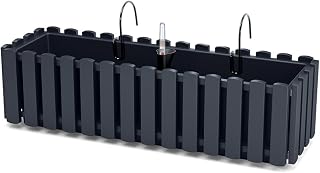
The Prosperplast Boardee Hook Flower Box Balcony Flower Pot Planter in Anthracite is the entry-level option that genuinely delivers. At a compact 383 x 212 x 130mm, this is a single-planter unit with an integrated hook system — no separate brackets required, no assembly fiddling. The hook is moulded directly into the rear of the box, designed to hang over a standard balcony railing. It’s a clean, minimal design that suits modern apartment aesthetics without looking utilitarian.
With 417 reviews and a 4.2-star rating, this is the most reviewed product in this shortlist by a considerable margin, which matters: it means the rating is statistically meaningful rather than based on a handful of early buyers. The consistent feedback is that it hangs reliably on standard round or square railings, drains well, and the anthracite colour holds up without fading noticeably through a full season. At 4.9 litres capacity, it’s on the smaller side — this isn’t a planter for deep-rooted plants or large specimens. But for herbs, compact flowering annuals, or trailing plants that spill over the front, it’s well-proportioned.
The main limitation is size: one Boardee Hook by itself is a modest addition to a balcony. Most buyers purchase two or three to create a run. Because each unit is sold individually, the cost does add up if you want to cover a longer railing, and at that point the OGIMA three-pack starts to look more economical. Still, the Prosperplast is the right choice if you want to start small, test the concept, or if your railing only has room for one or two planters. It’s also a sensible pick if you’re unsure whether railing planters will work with your specific railing type — the low price makes it a low-risk trial.
One practical note: the 130mm height means you’re working with a relatively shallow soil depth. Root vegetables and larger herbs like rosemary are out. Stick to shallow-rooted plants — pansies, violas, dwarf French marigolds, compact basil — and you’ll get excellent results. The drainage hole placement is thoughtful, positioned to avoid waterlogging even when the planter is tilted forward slightly on a railing.
Best for a Rustic or Farmhouse Aesthetic
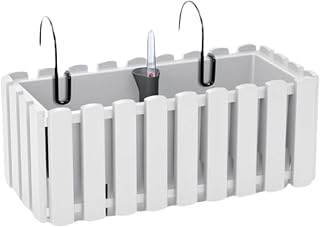
If you want something that looks considered rather than functional-plastic, the B2C Window Fence Hanging Flower Pot Planter in Anthracite (Large, 58cm) with Rustic Slat Farmhouse Design and Self Watering Kit takes a different design approach. The slat-effect exterior mimics timber boarding without the weather vulnerability of actual wood — you get the visual warmth of a farmhouse-style window box with the durability of weatherproof composite construction. It comes in four colours and two sizes, and the large 58cm version is a proper statement piece on a balcony railing.
The self-watering kit is a genuinely useful feature for balcony gardening, particularly on exposed upper floors where pots dry out faster than you’d expect. The reservoir sits beneath the planting area; a wicking system draws moisture upward to the roots as needed, which means you can skip watering for several days without stressing your plants. For anyone who travels regularly or simply forgets to water, this is a practical advantage rather than a gimmick.
The hanging mechanism uses fence and window hooks that sit over the railing — no drilling required. The 58cm length gives you enough room for a real mixed planting: think trailing geraniums at the ends with compact herbs in the centre, or a full row of petunias. The rating sits at 4.3 from 24 reviews, which is a smaller sample than the Prosperplast, so treat it with appropriate caution. The reviews that exist are broadly positive about the aesthetics and the self-watering performance, with a few notes about the hooks requiring some adjustment to sit level on round railings.
The tradeoff with the B2C rustic design is that the visual appeal comes at the cost of some versatility. The slat styling looks best in certain contexts — a period property, a garden with natural timber decking, a balcony where you’ve already committed to a warm, organic aesthetic. On a sleek modern apartment balcony with brushed steel railings, it can look slightly out of place. It’s also a more niche product with fewer reviews to draw on, so there’s slightly more uncertainty about long-term durability than with the more established picks. That said, the self-watering functionality genuinely distinguishes it from every other planter in this shortlist.
Best for Decorative Impact with Metal Buckets
The 3Pcs Hanging Flower Pots Outdoor for Fence, Metal Hanging Flower Bucket with Drainage, Decorative Railing Planter Box Metal Bucket Planter takes a completely different form factor — instead of a long rectangular box, you get three round metal buckets that hang individually from fence or railing bars. This approach has a distinct visual character: think cottage garden or allotment shed aesthetic, with aged-looking metal containers that work particularly well with wildflowers, trailing ivy, or compact roses.
Each bucket has drainage holes and a hook system that slides over the railing — no tools, no drilling. The metal construction means these feel more substantial in the hand than plastic alternatives, and they have a natural patina quality that improves with age rather than deteriorating. With 72 reviews at 4.3 stars, the feedback is solid: buyers consistently mention that the hooks grip well on standard fence and balcony railings, and that the galvanised or coated metal holds up through wet weather without rusting immediately.
The tradeoff with individual bucket planters is soil volume. Each bucket is relatively compact compared to a full-length rectangular planter, which limits root depth and therefore restricts what you can grow. They suit trailing plants and compact flowering annuals well, but don’t expect to grow herbs to a harvestable size or anything with a substantial root system. The three-bucket format also means spacing them out along the railing, which creates a more scattered, decorative look rather than the dense, lush wall-of-green effect you get from a long rectangular planter.
Where this option stands out is in flexibility of placement. Because each bucket is independent, you can cluster all three together for impact, space them evenly, or mix them with other railing hooks and plant combinations. They also work on vertical fence panels, not just horizontal railings, which opens up more positioning options on a narrow balcony. If your goal is decorative interest and a cottage or rustic character rather than maximum planting volume, these metal buckets are a strong choice that looks genuinely purposeful rather than improvised.
Best Bracket System for Using Your Own Planter Boxes
The Window Box Brackets in Terra Cotta, Flower Box Holder for Mounting on Balconies, Windowsills, or Fences — 2-Fold Adjustable Balcony Bracket serves a different purpose from the complete planter options above. If you already own a planter box, or if you want to choose a specific style and size that isn’t available in a self-hanging design, these brackets give you the flexibility to hang almost any rectangular planter from a balcony railing without drilling into the wall or floor.
The 2-fold adjustable design means the bracket can be set at different angles to accommodate varying railing profiles and to keep the planter level even on railings that aren’t perfectly horizontal. The terra cotta colour is a design consideration — it blends well with traditional terracotta pots and warm-toned stonework, though it may look slightly incongruous with modern anthracite or white planters. If the colour is a concern, it’s worth noting that the bracket’s primary function is structural; once a full planter box is sitting in it, the bracket itself is largely hidden.
The no-review status in the live data is worth acknowledging honestly: it means you’re relying more on the product specifications and the manufacturer’s claims than on accumulated buyer experience. The adjustable design is a genuine advantage for anyone who wants to use a specific planter box they’ve chosen for aesthetic reasons, or who needs to accommodate an unusual railing profile. The mounting works by hooking over the railing rather than drilling — the clamp mechanism tightens around the railing bar to hold position. Before purchasing, verify the railing diameter or width falls within the bracket’s adjustment range, and check whether the planter you intend to use will fit the bracket’s width settings.
The bracket approach is also useful if you want to upgrade your planter periodically without replacing the mounting hardware — swap the box, keep the brackets. For renters who’ve already invested in a particular planter style or who want the flexibility to change their display across seasons, this is the most adaptable option in the shortlist. The tradeoff versus a self-hanging complete planter is that you’re managing two components rather than one, and the overall stability depends on both the bracket’s grip on the railing and the fit between bracket and planter box.
Best Mid-Size Option with Wall-Planter Flexibility
The 4pcs Hanging Flower Pots, Metal Iron Wall Planter Indoor/Outdoor for Railing Fence Balcony Garden Home Decoration with Detachable Hooks bridges the gap between the individual metal bucket approach and a full rectangular planter system. You get four metal iron planters with detachable hooks, which means they can go on the railing, on a fence panel, or even be repurposed indoors if you move or your outdoor situation changes. The detachable hook system is a practical feature: you can remove the hook to use the pot as a standalone container, or reattach it to move between different fixing points.
Metal iron construction gives these a premium look that plastic planters can’t match, and the indoor/outdoor specification means the finish is designed to handle moisture without immediate rust. The four-pack format is well-suited to a narrow balcony where you want visual rhythm — four evenly spaced planters along a railing create a more deliberate, designed appearance than a single large planter or an ad-hoc cluster of different containers. The 4.4-star rating, while based on a smaller sample, is the highest in this shortlist and suggests buyers who have purchased this are genuinely satisfied.
The practical consideration with metal planters of this style is weight: metal plus soil plus water adds up, and you want to be confident your railing can handle the combined load of all four planters. On a standard UK balcony with a steel or aluminium railing, this is unlikely to be an issue, but it’s worth a moment of consideration. The planting volume in each individual pot is also more limited than in a long rectangular box, which influences plant selection in the same way as the metal buckets above — compact and trailing plants work best.
Where this option genuinely excels is longevity and versatility of use. A metal iron planter with a good powder-coat finish will outlast plastic alternatives by several years, and the detachable hook system means these are genuinely multi-purpose rather than single-use purchases. If you’re setting up a balcony you plan to enjoy for several years, or if you want planters that can follow you to a new property, the investment in these is justified by the durability and flexibility you get in return.
What to Look For When Buying a Railing Planter for a Narrow Balcony
- Railing width compatibility: Measure your railing before you buy anything. Balcony railings vary significantly — round versus square profile, 3cm versus 7cm width — and a hook designed for one type may not grip another. Most products specify a range; check yours falls within it. Detachable or adjustable hooks are more versatile than fixed ones.
- Drainage design: Proper drainage holes positioned at the base of the planter are non-negotiable for plant health. Waterlogged soil is one of the most common causes of plant failure in container gardening. Self-watering systems with a reservoir are a step better — they allow excess water to collect and be drawn back up by roots — but they require periodic checking to ensure the reservoir and wicking channels don’t become blocked.
- Weight capacity and load distribution: Wet compost is heavier than most people expect. A 40cm planter fully planted and saturated can weigh 3–5kg. Multiply that by the number of planters you’re hanging and make sure both the hooks and the railing can handle the combined load. Brackets or hooks with a wide contact area distribute weight more safely than thin wire hooks.
- Material and weatherproofing: UV-stabilised plastic resists bleaching and brittleness through UK summers. Powder-coated steel or iron resists rust if the coating remains intact. Avoid cheap metal planters where the coating is thin or poorly applied — these will rust visibly within one or two seasons. Look for explicit mentions of galvanised, powder-coated, or stainless steel hardware in the product description.
- Planting volume and soil depth: The size of the planter determines what you can grow. Shallow boxes under 15cm deep suit trailing plants, pansies, and compact herbs. For anything with a substantial root system — tomatoes, courgettes, lavender — you need at least 20–25cm of depth, which most railing planters don’t achieve. Set realistic expectations about plant choice based on the planter dimensions before buying.
- Reversibility and damage-free removal: If you’re renting, this is the headline criterion. Every product in this guide uses a hook-over-railing system with no drilling, no adhesive, and no permanent marking. But check the hook design carefully: some hooks can scratch painted railings if they’re allowed to shift in wind. A snug, well-fitted hook that doesn’t rattle is preferable to a loose one that moves around and damages the railing finish over time.
- Visual cohesion: A row of mismatched planters in different colours and styles can make a small balcony look cluttered rather than lush. Think about whether you want all planters to match, and whether the colour and material of the planter will complement your balcony floor, furniture, and railing finish. Anthracite is the most versatile neutral for modern apartment railings; terracotta and rustic designs work better with period or natural-material aesthetics.
Verdict
For the majority of UK renters with a narrow balcony and a standard square-section steel railing, the OGIMA 41cm Railing Planter Box three-pack is the strongest all-round choice. The three-pack format gives you immediate visual impact along the railing, the detachable wide hooks are designed specifically for the 7cm railings common in UK apartment builds, and the UV-stabilised plastic will hold up through multiple seasons without the maintenance concerns of metal. The 134-review base at 4.3 stars provides meaningful confidence in the real-world performance.
If you’re working with a tighter budget and want to test the concept before committing to a full display, the Prosperplast Boardee Hook is the sensible starting point — it’s the most reviewed product in this category on Amazon UK, the hook system is proven, and the price makes it a low-risk first purchase. Step up from there once you know the railing type and hook fit work for your specific setup.
If aesthetics matter as much as practicality, consider the B2C rustic design for its self-watering capability and distinctive farmhouse style, or the metal iron four-pack for durability and a more premium finish. The bracket-only option is worth considering if you already own a planter you’re attached to and simply need a no-drill way to hang it. Whatever your starting point, the key is matching hook type to your specific railing profile — get that right and the rest of the setup is straightforward.
We were not paid to feature any specific product in this guide. All opinions are independent and based on publicly available specifications, verified buyer feedback patterns, and category research.
Quick Comparison Table




FAQ
Will a railing planter box be stable enough on a windy balcony?
Most railing planters use wide hooks that sit over the top of the railing bar, which makes them reasonably secure in normal UK wind conditions. The risk of tipping increases with top-heavy or very large planters on exposed upper-floor balconies. Keep the soil level below the rim of the planter, choose trailing or compact plants rather than tall specimens, and ensure the hook fits your railing snugly without rattling — a loose hook shifts more than a well-fitted one. If you’re on a particularly exposed floor, consider filling planters with lightweight compost rather than heavy garden soil.
Can I use these planters on a round railing rather than a square one?
It depends on the specific hook design. Some hooks are designed to grip both round and square profiles; others are optimised for one or the other. Check the product description for the railing profile compatibility before buying. The Prosperplast Boardee Hook, for example, is widely reported to work on both round and square railings in buyer reviews. If in doubt, a bracket-style system with an adjustable clamp mechanism tends to be more versatile across different railing types than a moulded hook.
How do I prevent the planter from scratching or damaging the railing?
The most reliable approach is to ensure the hook fits your railing width correctly — a hook that’s too wide will shift and rock, which causes friction and scratching. If you’re concerned, you can wrap the hook contact point in a thin strip of adhesive foam weather seal, which cushions the grip without leaving permanent marks. This is especially useful on painted railings where cosmetic damage could become a tenancy issue.
What plants grow well in a narrow railing planter box?
Trailing plants are ideal for railing planters because they spill forward and downward, creating visual impact without requiring height. Trailing lobelia, calibrachoa, petunias, ivy-leaf geraniums, and bacopa all perform well. Compact herbs like thyme, chives, and compact basil work in the shallow depth of most railing planters. Avoid deep-rooted herbs like rosemary or larger vegetable crops — they need more soil volume than a standard railing box provides.
Do I need planning permission or landlord approval to hang railing planters?
For hook-over-railing planters that leave no marks and cause no structural modification, most tenancy agreements don’t specifically prohibit them — but it’s always worth checking your specific agreement if you’re a renter. Planning permission is not required for railing planters on private residential balconies. If you live in a listed building or a managed development, check whether your lease or the building management rules have any restrictions on external fixtures, even temporary ones.
How do I water plants in a railing planter without making a mess on the floor below?
The most straightforward approach is to water slowly and in small amounts, allowing the compost to absorb water before adding more — this reduces the runoff that exits through drainage holes immediately. If you’re on a balcony above another property or a public area, a self-watering planter with a reservoir (like the B2C farmhouse design) largely eliminates drip-through during normal watering, as the reservoir captures excess moisture. You can also place a narrow drip tray beneath planters on the balcony floor, though this is harder to manage with railing-hung planters than with floor-standing containers.